At a glance
- Painted in 1868
- Oil on canvas
- On view at Musee d’Orsay, Paris
- A defining work of Impressionism
Impressionism · Claude Monet
This work transcends its era, revealing Monet’s profound connection with the fleeting moments of nature.
The Artist Behind the Work
Emerging from the socio-political changes of 19th century France, ‘The Magpie’ reflects the complexities of modernity and nature’s persistence amidst urbanization.
About this work
- Year
- 1868
- Medium
- Oil on canvas
- Dimensions
- 89 × 130 cm
- Location
- Saintes, France
- On view at
- Musee d’Orsay, Paris
- Visiting
- Part of the permanent collection; ticket required for admission.
The Magpie’ continues to inspire contemporary artists and collectors, residing in prestigious galleries, a testament to Monet’s indelible impact on art history.
Claude Monet
The Artwork in Context
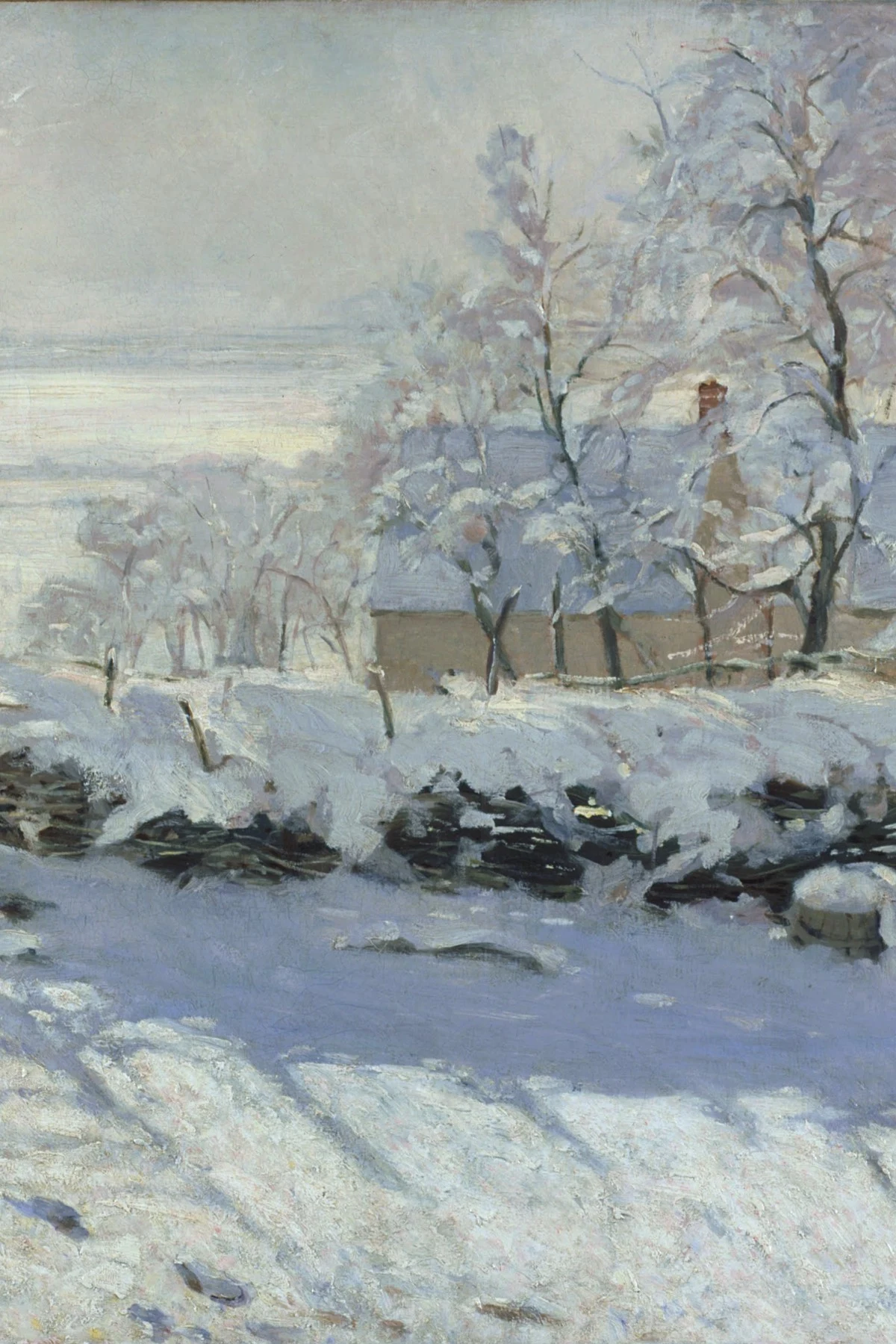
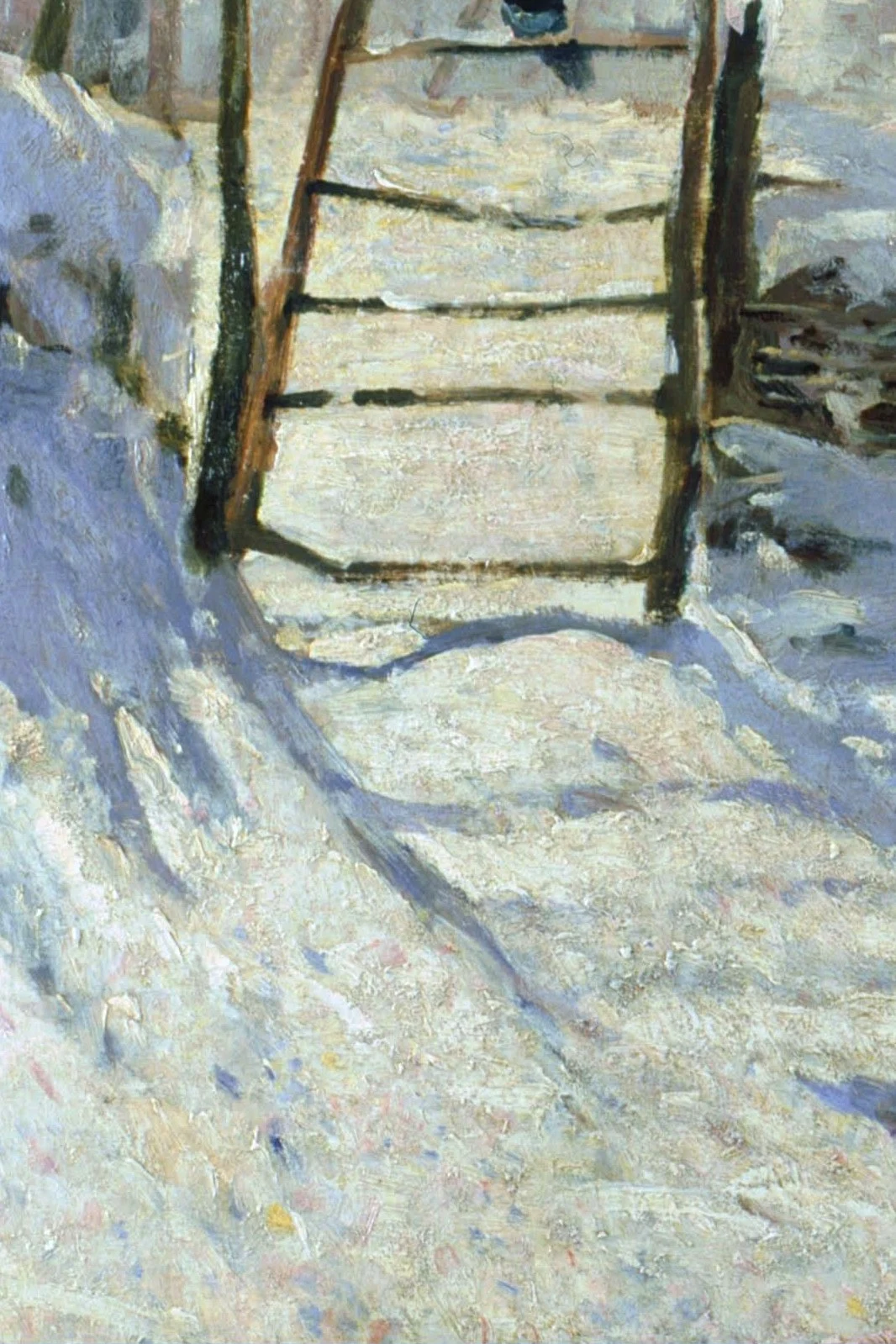
This work transcends its era, revealing Monet’s profound connection with the fleeting moments of nature. Created in the winter of 1868-69, ‘The Magpie’ emerged amidst the burgeoning Impressionist movement, capturing the essence of a snowy landscape.
What Makes It Timeless
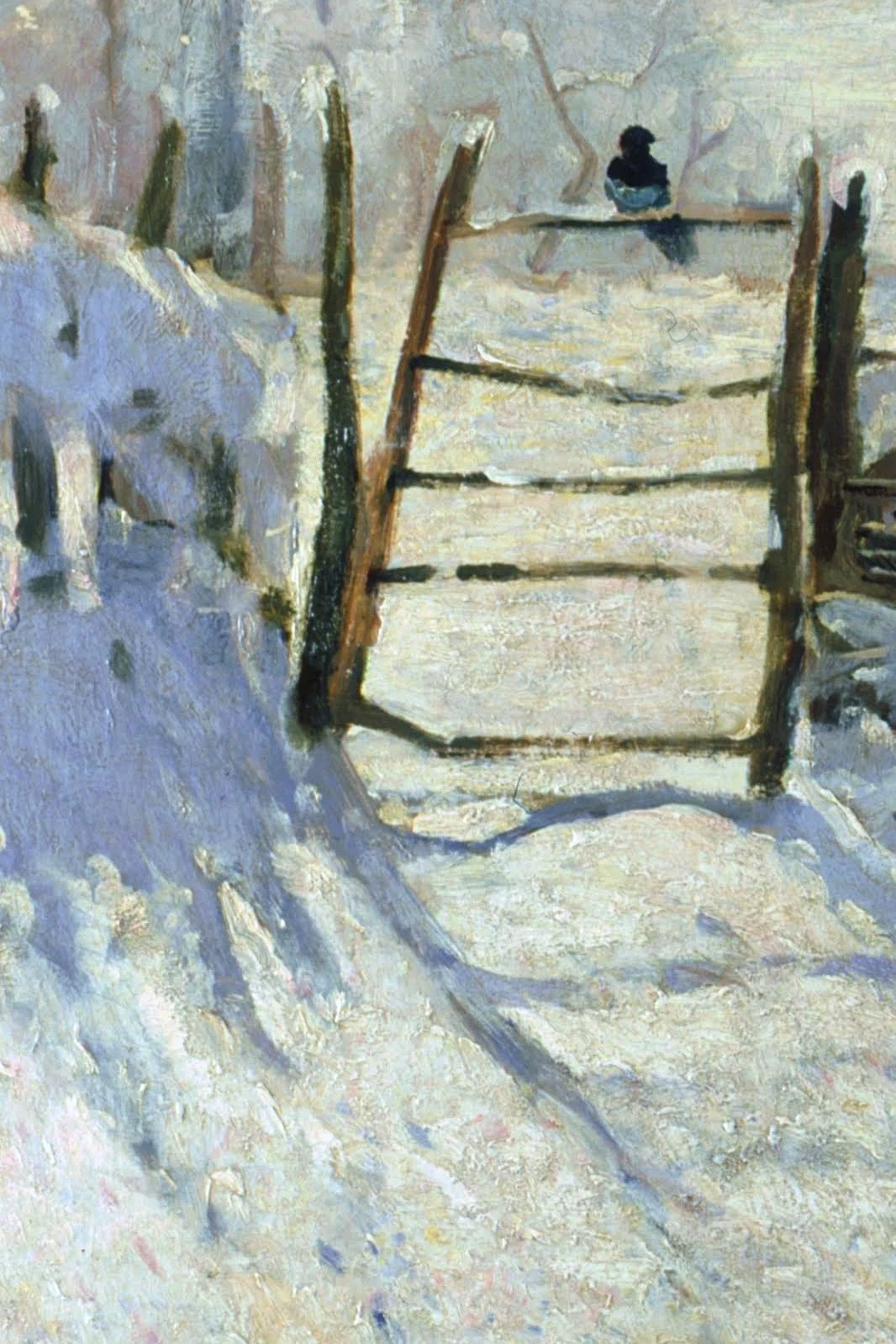
Examine the delicate interplay of shadows and reflections; each brushstroke reveals Monet’s intimate understanding of light and atmosphere.
About the artist
Oscar-Claude Monet
Claude Monet was a pioneering figure in the Impressionist movement, renowned for his innovative use of light and color in capturing the fleeting moments of nature.
Also known for: Impression, Sunrise, Water Lilies, Rouen Cathedral series
Frequently Asked Questions
What artistic period does The Magpie belong to?
Created in the winter of 1868-69, ‘The Magpie’ emerged amidst the burgeoning Impressionist movement, capturing the essence of a snowy landscape.
What makes The Magpie visually unique?
‘The Magpie’ showcases Monet’s masterful brushwork and innovative use of light, blending reality and perception into a mesmerizing scene.
Is there a way to bring this artwork into everyday life?
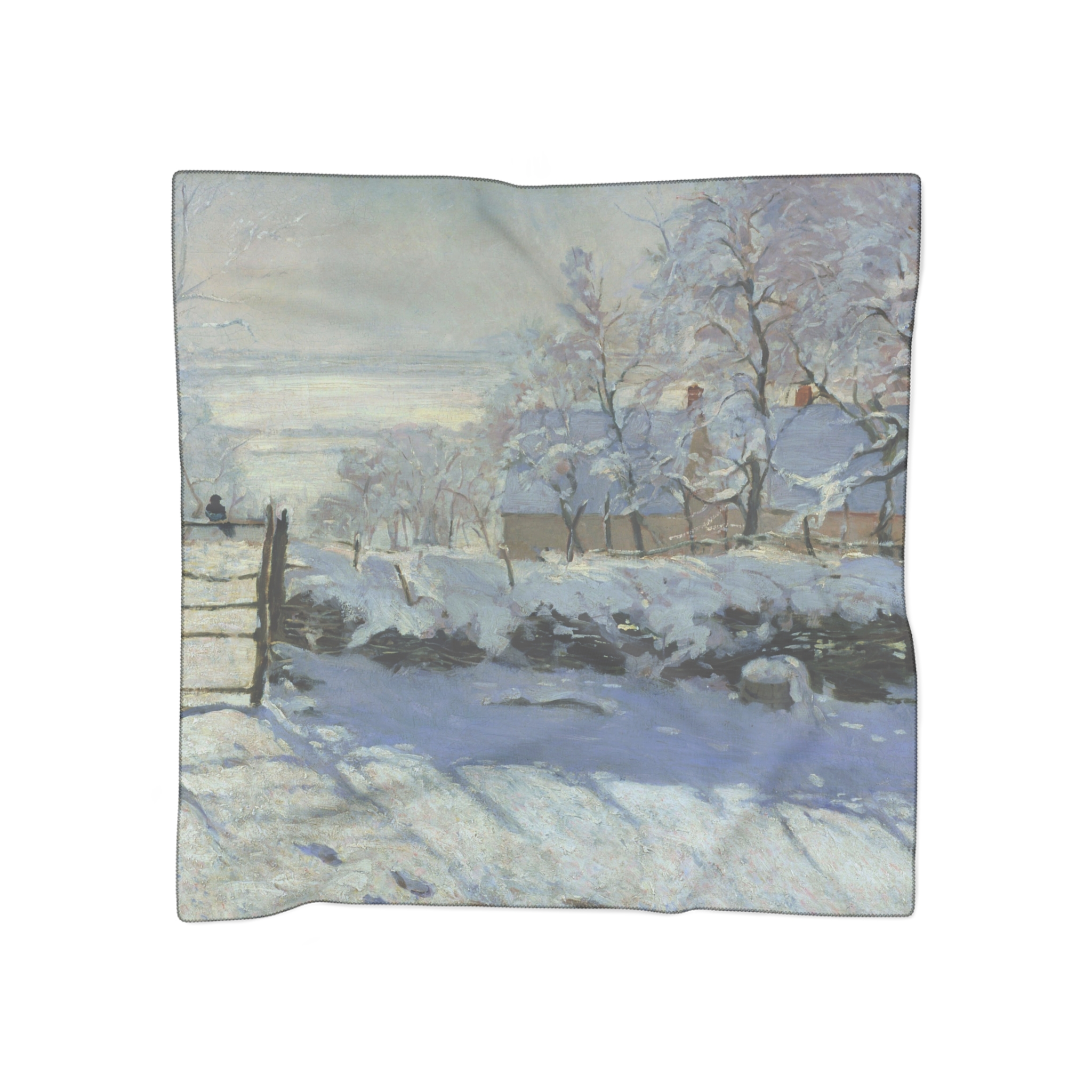
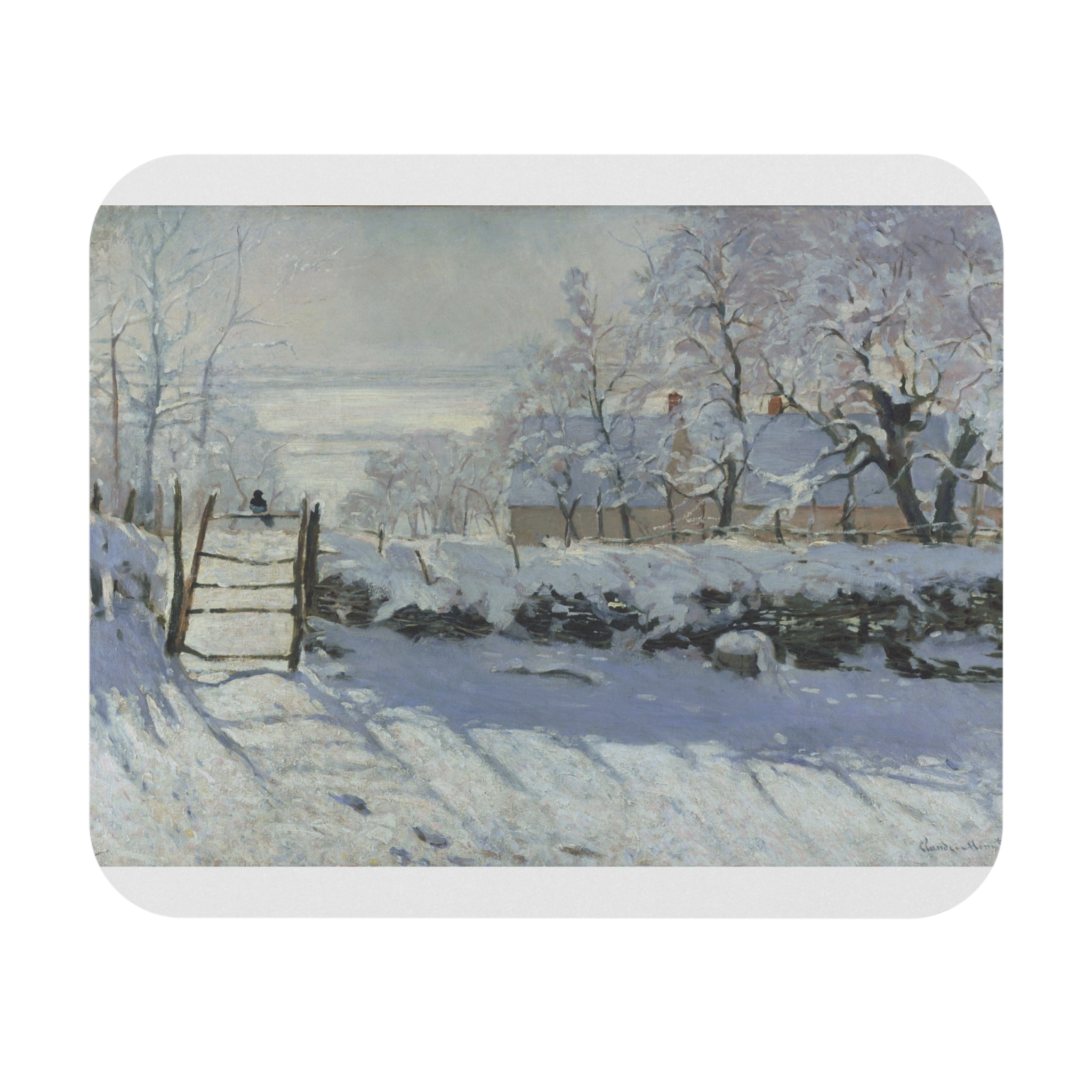
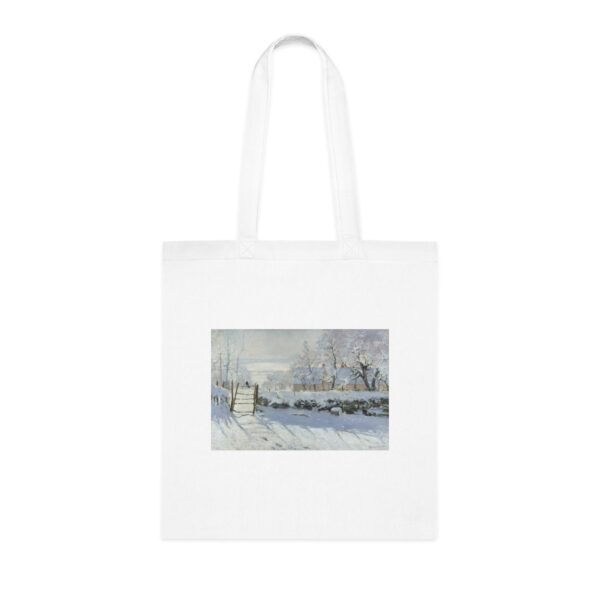
Painted Editions prints this artwork on high-quality everyday objects — from tote bags to scarves — so the work travels with you beyond the gallery.
Wearing History, Every Day
“The Magpie” by Claude Monet captures the serene beauty of a winter landscape, with its delicate play of light and shadow across the snow-covered ground. The painting’s soft, muted palette of blues, whites, and grays, punctuated by the dark silhouette of the magpie and the fence, lends itself beautifully to fabric and print. The gentle transitions of color and the subtle texture of the brushwork evoke a sense of calm and tranquility, making it an ideal choice for items intended to bring a touch of elegance and peace to everyday life. Whether on a cushion or a tote bag, the artwork’s composition, with its expansive snow-laden fields and distant horizon, scales effortlessly to different formats, offering a glimpse into a quiet, contemplative world. Carrying or using “The Magpie” in daily life speaks to an appreciation for moments of stillness and the beauty of nature’s simplicity. It suggests a person who finds joy in subtlety and who values the quiet, introspective moments amidst the hustle and bustle of modern living. Such an individual likely appreciates the art of seeing—the way Monet captures a fleeting moment, the way light dances on snow—and seeks to carry that sensibility into their everyday interactions. Art like “The Magpie”
Discover The Magpie by Claude Monet on Painted Editions — free shipping over €50, 30-day returns, worldwide shipping.
Some art is meant to hang on walls. Some art is meant to travel with you. “The Magpie” does both.